Why You Stay Trapped in a Job That Barely Pays the Bills
You stay in a job that barely pays the bills because fear, guilt, and comfort hold you hostage. Learn the psychology and a realistic exit plan.
When your job barely pays the bills
You wake up before the sun.
The alarm cuts through the dark room.
You lie still for a second and feel that heavy thought again.
“I am going back to a job that barely pays the bills.”
You dress up, squeeze into the same crowded ride, and walk into a place that eats your time and energy yet still leaves you thinking you can’t pay everything on your list this month. The salary covers rent, food, and debt, but nothing more. You dont make enough money. No savings. No cushion. Just survival.
On paper, you have a job. On the inside, you live with quiet panic. You feel smart enough to do more, yet you are stuck in this paychecktopaycheck cycle chapter of your life. You tell yourself you should be grateful. You also feel ashamed that you are still here.

The quiet panic behind your paycheck
Psychology and stress surveys show that money and work are among the top sources of daily stress for adults. People report that personal finances and the rising cost of living trigger anxiety, sleep problems, and even delayed health care.
So if your job barely pays the bills and you feel on edge all the time, this is not a weakness. This is your nervous system reacting to real financial pressure. When you feel you don’t make enough money to cover your bills and even basic needs, your body and your brain stay on high alert.
At the same time, research on job insecurity shows that even people who are technically “employed” can suffer worse mental and physical health when they fear losing their job or income. Long-term job insecurity is linked to more anxiety, depression, physical complaints, and lower life satisfaction.
Here is the hard part. If you ignore what this job that barely pays the bills is doing to you, the damage builds slowly. It can crush your confidence, your health, and your future plans while you keep telling yourself that staying is the “safe” choice.
Why do you stay in a job that barely pays the bills
Your brain hates risk more than low pay
You are not lazy. You are not stupid. You are wired like every other human. Your brain hates uncertainty. It would rather accept a job that barely pays the bills than face the unknown.
Behavioral research calls this loss aversion. We feel the pain of possible loss more strongly than the pleasure of potential gain. So when you think about leaving, your mind floods you with “what if” fears.
-
What if you leave and no one hires you
-
What if you end up with nothing, and you can’t pay rent
-
What if the next job is even worse
Because those losses feel huge, you talk yourself into staying. The job that barely pays the bills becomes the “less dangerous” choice, even when it is clearly holding you back.
The sunk cost trap that keeps you stuck
There is another mental trap at work. The sunk cost fallacy. It is the tendency to continue something just because you already invested time, effort, or money into it, even when it no longer makes sense.
You think:
-
“I have been here five years. I cannot throw that away.”
-
“I studied for this field. Changing now would be a waste.”
But the past is already paid for. Staying only because you spent years in a job that barely pays the bills is like paying rent for a house you do not live in anymore. The only question that truly matters is whether this job still serves your present and your future.
When “you can’t pay” becomes your daily story
You open your banking app and whisper, “You cant pay everything again this month.” You juggle dates, delay one bill to pay another. You ask yourself, “Can barely pay bills?” and pretend that is normal adult life.
Over time, this turns into identity. You stop seeing yourself as someone who can win in the market. You see yourself as the person who is always behind, always catching up, always one surprise away from disaster. That belief alone can keep you chained to a job that barely pays the bills.
A tiny but painful loss of self-respect
Every time you stay only because you are scared, a piece of self-respect fades. You still show up. You still work. Yet a quiet voice says, “I know this job barely pays the bills, and I am still here because I am afraid.” That inner conflict hurts more than most people admit.
Read this: 10 Hard Lessons from Getting Fired Before You Fully Break
The psychological toll of a job that barely pays the bills
Money stress and your body
Surveys on stress report that money is a major source of ongoing stress for many adults. It is tied to anxiety, sleep disruption, and even people delaying medical visits because of cost.
When your job barely pays the bills, your body lives in survival mode. You may notice:
-
Headaches or tight muscles
-
Trouble sleeping or staying asleep
-
Irritability or sudden anger
-
Brain fog at work
Your brain is busy asking, “How to pay bills when you’re broke?” and trying to avoid every new cost. That constant worry keeps stress hormones high, which over time can raise the risk of chronic health problems.
Living in the paycheck-to-paycheck cycle chapter
Many people in low-paying jobs live from one payday to the next. Surveys show that a large share of adults struggle to cover even a small emergency expense, which means any extra bill can wreck the whole month.
You may feel forced to use credit cards, buy now, pay later plans, or loans just to survive. That creates more bills and more interest next month. The paycheck-to-paycheck cycle chapter keeps repeating, and a job that barely pays the bills becomes the anchor that drags you back every time you try to move forward.
Sometimes you even catch yourself wondering, “Is $1000 a month enough to survive?” when you see low-wage offers or remote gigs online. You know the honest answer, yet desperation makes you consider it.
The hidden shame of having nothing saved
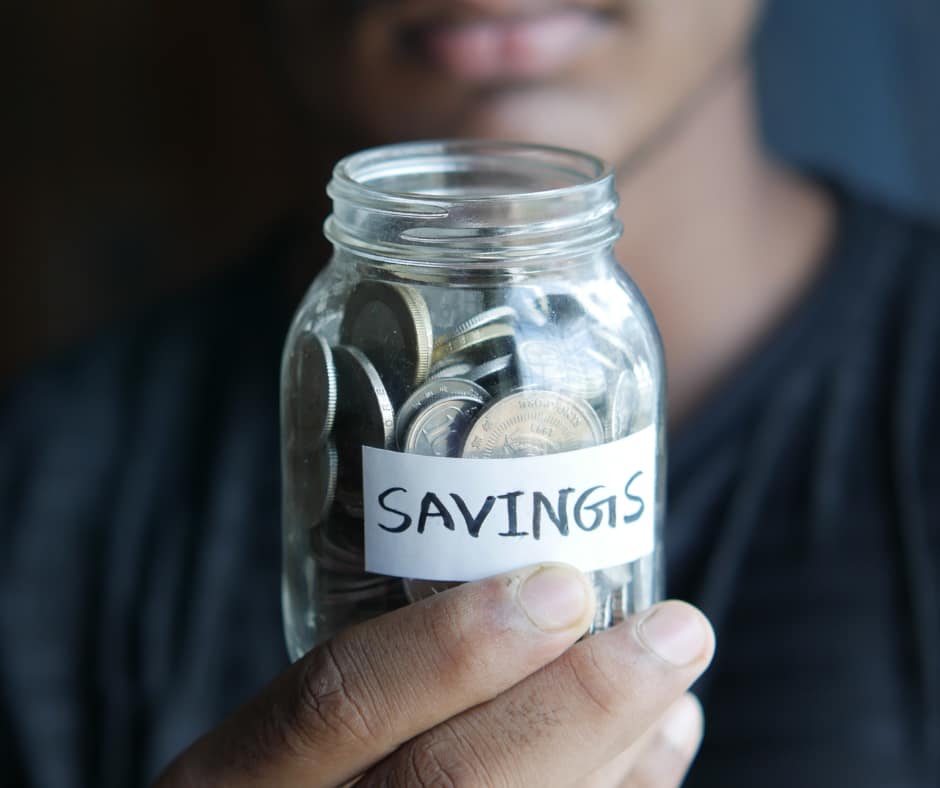
Late at night, you might search “What percentage of Americans have $0 saved?” just to feel less alone. Recent reports show that roughly one in four Americans says they have no emergency savings at all, and many more have less than one thousand dollars put aside.
Knowing you are not the only one can feel comforting for a moment. Yet it also confirms that staying in a job that barely pays the bills keeps you inside a fragile group that is always one emergency away from crisis.

The cost of a job that barely pays the bills on health and relationships
Your health is in survival mode
Studies on job insecurity show that constant fear of losing your job or income is linked to worse mental health, more physical complaints, and lower overall well-being.
If you combine low pay with insecurity, the effect is even heavier. You might:
-
Wake up, already tired
-
Dread Mondays and feel numb by Friday
-
Get sick more often, yet avoid the doctor because of cost
At some point, you have to ask which is more dangerous. Leaving a job that barely pays the bills or staying in a situation that slowly destroys your health.
Your relationships under money pressure
Money problems put pressure on couples, families, and friendships. When a job barely pays the bills, small things turn into big fights. Going out for dinner feels like a crime. A child asking for a simple treat can trigger anger, not because you do not love them, but because the numbers do not work.
Over time, you pull back. You say “no” to invitations. You hide the details of your situation. You carry the burden alone. That isolation makes the job that barely pays the bills feel even more like a prison.
Identity shrinkage you do not notice at first
The longer you stay, the more your job title becomes your identity. You start to believe you are only worth what your current salary says. If that pay barely covers your bills, your self-image shrinks. You forget that your skills and potential are bigger than this single role.
Related article: Losing Something Can Be the Beginning to Find Yourself Now
Golden handcuffs, even when pay is low
We usually hear “golden handcuffs” in stories about highly paid workers with huge bonuses. In reality, even a job that barely pays the bills can put a cheap pair of cuffs on you.
Small comforts that keep you stuck
Golden handcuffs are incentives and benefits that keep employees from leaving. They can include bonuses, stock options, pensions, or other rewards that grow if you stay longer.
In your case, it might be:
-
Health insurance you are afraid to lose
-
A short commute
-
A flexible boss who lets you leave early sometimes
On their own, these are good things. But when they keep you tied to a job that barely pays the bills, they act like soft chains. They give just enough comfort to make change feel “too expensive” even when staying is killing your future.
When benefits hide the real price
The real cost is not only in salary. The real cost is the life you could live if you were fairly paid and in a healthier environment. That life does not show up on your payslip. You feel it in what you cannot do. The trips you never plan. The courses you never take. The dreams you slowly bury.
A note, if you truly feel trapped
If you feel there is absolutely no way out right now, do not use that as proof that you are doomed. Use it as a signal that you need help, information, and support. Even small steps, like talking to a career counselor or asking about financial support programs in your area, can open options your tired brain cannot see yet.
Read more articles on Job and Career
A realistic plan to leave a job that barely pays the bills
You do not need to resign tomorrow. You do need a clear and honest plan.
Step 1: Face the numbers on paper
Take a blank page and write down your full money picture.
-
Income from your job that barely pays the bills
-
All fixed expenses
-
Debt payments
-
Any help you have already received
Seeing the truth in black and white answers the question “Can barely pay bills?” better than any feeling. It also shows if your problem is mainly low income, high expenses, or both. For many people, the brutal truth is simple. They do not waste money. They just don’t make enough money compared to the real cost of living.
Step 2: Use every support tool you can
If your job barely pays the bills and you are already behind, you may need short-term relief while you plan long-term moves. This can include:
-
Checking if you qualify for government or community financial support programs
-
Talking with lenders about realistic payment plans
-
Asking about hardship options on utilities or rent
This is not a weakness. It is damage control. You are reducing the pressure so your brain can think clearly about your next step instead of living only in crisis mode.
In the worst months, you might find yourself typing “How to pay bills when you’re broke?” into a search bar at midnight. Use that desperation as fuel to look for real tools, not quick scams that promise magic fixes.
Step 3: Build skills and options while you still have income
Quitting with nothing lined up can create more fear and push you back into the next job that barely pays the bills. So use your current job as a temporary platform.
-
Take low-cost online courses in skills that are in demand
-
Ask for tasks at work that stretch you and can go on your CV
-
Start a tiny side project that proves your value in the market
Each small move is a brick in the bridge that leads you away from a job that barely pays the bills and toward roles where your time is worth more.
Sometimes you will still ask yourself, “Is $1000 a month enough to survive?” when you see offers or remote gigs online. Let that question remind you that you are aiming higher than basic survival. You are building toward stability, not another version of the same problem.
Step 4: Set a review date and an exit goal
Pick a date six to twelve months from now and call it your review point. By that date, you might aim to:
-
Have a small emergency cushion
-
Apply to a set number of better-paying roles
-
Complete a course or certification
-
Update your profile and portfolio
You may not be ready to resign on that exact day. That is fine. The point is to stop drifting. If you reach the review date and nothing has changed, you know it is time to adjust the plan, ask for more help, or be more direct about leaving a job that barely pays the bills.
Read more articles on Money and Debt
Final thoughts: You deserve more than survival
You are not crazy for staying. Your brain is trying to protect you from risk. Society often tells you to be grateful for any job, even a job that barely pays the bills and drains your life.
But there is another truth. Staying forever in a role that keeps you broke is also a risk. It risks your health, your relationships, and your long-term future. At some point, you have to decide which risk you want to live with.
Your new life does not start on the day you resign. It starts on the day you stop lying to yourself that this is “good enough” and start treating your job that barely pays the bills as a temporary chapter, not your whole story.
Frequently Asked Questions
Why do I feel bad for wanting to leave a job that barely pays the bills?
You were likely taught that any job is a blessing. So when you want to leave a job that barely pays the bills, it feels like you are ungrateful. You may also fear judgment from family and friends. In reality, wanting fair pay and a healthy work life is not greed. It is a basic form of self-respect.
Is it ever okay to leave without another job lined up?
Leaving a job that barely pays the bills without a plan can increase money stress. That can push you into rushed decisions. If possible, try to secure at least some savings or part-time income first. If the job is harming your health or safety, your exit may need to be faster, but then it is even more important to reach out for support from people you trust and community resources.
How do I know if this job is damaging my mental health?
Look for signs like constant dread, ongoing anxiety, trouble sleeping, and feeling numb or hopeless. Studies on job insecurity and poor work conditions link these patterns to depression, anxiety, and physical complaints. If you notice these symptoms, treat them as real warning signs, not as something to just “push through.”
What if I truly cannot save anything on this salary?
Many people in low-income roles find that their job barely pays the bills and leave nothing left over. Surveys show that around one in four Americans have no emergency savings at all. If you are in this group, focus first on stabilizing expenses, seeking better-paying work, and using any available financial assistance programs. Even very small amounts saved during better months can start to change your long-term picture.
How can I stay motivated while I am still in this job?
Give this season a purpose. Tell yourself, “I am using this job that barely pays the bills as a launch pad.” Set tiny weekly actions like one job application, one lesson in a course or one networking message. Track these wins so you can see progress. You are not just stuck. You are building your exit, one brick at a time.